...

Velaqua Plumbing

Author name: Daniel

Block Drains

The Benefits of Hiring an Emergency Plumber: Why Time is of the Essence   

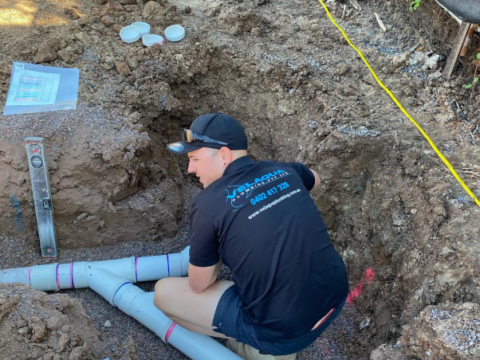
Plumbing emergencies can occur at any time, often catching homeowners off guard. From burst pipes to overflowing toilets, these issues can lead to significant damage if not addressed promptly. Hiring an emergency plumber is essential for mitigating risks and ensuring your home remains safe and functional. In this blog, Velaqua Plumbing, plumbing specialist Melbourne will explore the benefits of hiring an emergency plumber, the unique advantages they offer over traditional plumbing services, and why Velaqua Plumbing is your best choice for urgent plumbing needs.  Understanding Emergency Plumbing Services  Emergency plumbing services are specifically designed to tackle urgent plumbing issues that require immediate attention. Unlike standard plumbing companies that operate during regular business hours, emergency plumbers are available 24/7, ready to respond quickly to crises. Common scenarios that necessitate emergency plumbing include:  Understanding these situations helps homeowners recognize when to call for emergency services.  The Importance of Timely Response  When faced with a plumbing emergency, time is critical for several reasons:  1. Preventing Extensive Damage  Water damage can escalate rapidly. For example, a small leak may lead to significant issues like mold growth or damage to walls and flooring if not addressed quickly. An emergency plumber can arrive on-site promptly to assess the situation and implement necessary repairs, minimizing further damage.  2. Expertise and Experience  Emergency plumbers possess specialized training and experience that enable them to diagnose problems quickly and effectively. Their knowledge allows them to identify underlying issues that may have caused the emergency, ensuring a more comprehensive solution. Attempting DIY fixes during a crisis can lead to costly mistakes, making professional help essential.  3. Health and Safety Considerations  Plumbing emergencies often involve health risks. For instance, sewage backups can expose residents to harmful bacteria and pathogens. An emergency plumber not only resolves the immediate issue but also ensures that your home remains safe for you and your family.  4. Long-Term Solutions  Hiring an emergency plumber means you’re investing in long-term solutions rather than just quick fixes. Professionals assess the root cause of the problem and provide recommendations for preventing similar issues in the future. This proactive approach saves homeowners time and money down the line.  Why Choose Velaqua Plumbing for Emergency Services?  When it comes to hiring an emergency plumber, Velaqua Plumbing stands out among local plumbing companies for several compelling reasons:  In conclusion, hiring an emergency plumber is essential for protecting your home from unexpected plumbing disasters. Their expertise ensures timely resolutions that prevent further damage while safeguarding your health and safety. When looking for reliable plumbing companies, consider Velaqua Plumbing, Emergency Plumber in Melbourne as your go-to choice for urgent plumbing needs. With their dedicated team ready to assist you at any hour, you can rest assured that help is just a call away when you need it most—because when it comes to plumbing emergencies, every second counts! 

type of pipes used in homes
Block Drains

What type of pipes are used in new homes 

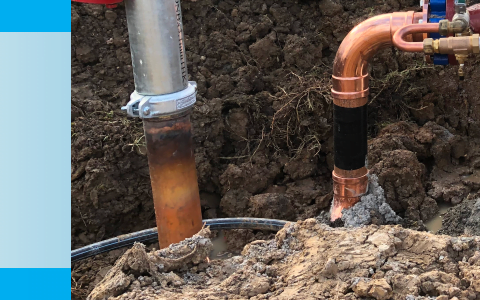
Velaqua Plumbing compiled a list of several pipe types along with the sorts of homes each is best suited for. In light of this, if you ever need to renovate your house, you may look through this list to choose which local plumbing services in Melbourne to hire for the general plumbing repair you’ll be needing. Let’s start right now without further ado.  Plastic Piping Options  There are two primary materials used to make pipes, and one of them is plastic. Since plastic pipes are typically used to transport liquids and gas fluids from one location to another, they come in a variety of compositions and sizes but are typically formed like hollow cylinders. Plastic pipes are simple to connect, lightweight, non-corrosive, and chemically resistant. Consequently, every home uses this type of pipe for its plumbing. Plastic pipe usage is nonetheless subject to several limitations. Therefore, it is crucial that your plumber be informed of the varied pressure and temperature restrictions of plastic pipes.  Here’s the situation:  PVC (Polyvinyl Chloride)   PEX (Polyethylene Cross-Linked Pipe)    This is frequently employed for storm water and wastewater drainage.  This is frequently used for home and commercial applications to deliver hot and cold water.  Due to its low cost and versatility, PVC pipes are the most often utilised piping in residential dwellings in Australia. Both warm and cold water are delivered using this kind of pipe. Additionally, it can be used as a medium for irrigation. PVC fittings and pipes do not rust or corrode over time since they are comprised of plastic. It will not need to be replaced until it sustains damage. Due to the lack of any metalwork or welding, it is also very simple to operate.    One of the plumbing industry’s most cutting-edge materials is PEX pipe. Why? In contrast to conventional plastic piping, PEX is resistant to both extremes of heat and cold. In other words, it may be used for both hot and cold water pipes in homes, as well as heating systems. Additionally, it is a flexible material that is able to be snagged through any opening in your house.   Additionally, due to the fact that PVC may disintegrate in high temperatures, exposure to UV radiation, and extremely high pressures, the majority of it is regrettably not approved for use with drinking water. Any deterioration has the potential to harm the water supply and render it unfit for human consumption.  PEX is substantially less expensive and easier to install than metal piping. It may also be attached in a variety of ways using push-fit fittings and crimp rings.    PVCs, however, have a drawback as well. Plastic means that hot liquids cannot be utilised in it. It will warp if you use it for that purpose.   However, there are several disadvantages to utilising PEX. Despite the fact that this form of piping is very resistant to heat, it cannot be directly connected to water heaters. As a result, it’s recommended to pair it with a metal connection.   Galvanized Steel Piping Options  Previously used for gas, waste, and hot and cold water supply. Galvanised steel is another material used to make pipes. Historically, most pipes used in the building of house plumbing systems were made of metal. However, this has altered in recent years. Steel pipe usage has declined due to the prevalence of plastic pipes such as PVC and PEX. Metal pipes, such as copper, are still utilised in homes due to their longevity.  Why? Some metal pipings, on the other hand, are strong, adaptable, and a cost-effective alternative for sewer systems. They are also used to cover up exposed pipes on sinks, toilets, showers, and bathtubs. Because plastic pipes can be readily destroyed if left exposed, metal pipes are utilised instead. Metal plumbing pipes now have a wide range of household and plumbing uses, with some of the more prevalent varieties being:  Stainless Steel Pipes  Copper Pipes   Because it requires little maintenance and resists oxidation and corrosion, stainless steel is a versatile component. Additionally, it is appropriate for chemical and high temperature applications. Additionally, stainless steel is simple to cleanse and clean. It makes sense that it would be employed in many applications, such as pipe that transports gases or liquids.     Water supply lines and heating, cooling, and air conditioning systems are frequently built using copper pipes. Because this type of pipe resists corrosion, it also makes reliable connections.    Although it is highly pricey, stainless steel may seem very professional. In places prone to corrosion and close to coasts, stainless steel pipes are utilised.  Residential dwellings often employ one of three types of copper pipes: Type K, Type L, or Type M. The fourth kind is utilised for drain-waste-vent systems, although older homes are the only ones that have these.   Both flexible and rigid versions of this type of pipe are available, and certain couplings are required to connect it to other types of pipes. Galvanized pipes should not be confused with stainless steel pipes. It comes in a range of lengths and sizes. Welding is frequently used to make stainless steel tubing.     Copper pipes are among the most often utilised plumbing pipes in use today because of their high level of dependability and durability. Copper fittings are also well-liked since there are several applications for them.    Steel is formed into a pipe shape during the welding process, and the seams are then joined by welding to maintain the shape. By heating a steel rod and then piercing it through the centre to form a pipe, extrusion produces a seamless result.  As a result, copper fittings are commonly employed as hose, gas, and water heater fittings.   In conclusion  Like the backbone of our houses, pipes and plumbing fittings. Therefore, it is essential to understand which materials are suitable for the home we now have. Because if we choose the incorrect pipes for our home, emergency plumbing services may become commonplace for us. In light of this, we wanted to make sure you understood the many kinds of pipes

Clogged SInk
Block Drains

Signs that you have a clogged sink 

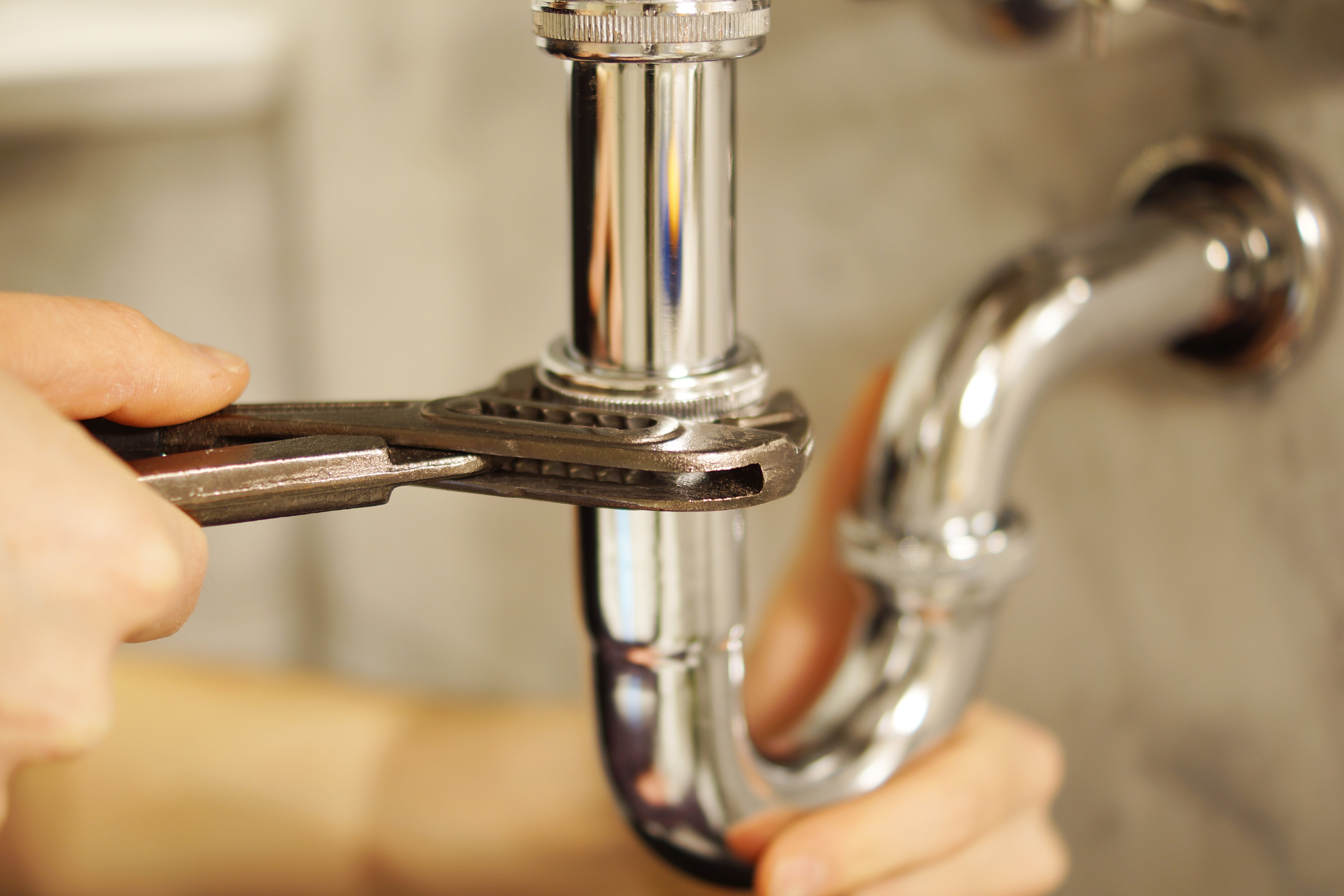
Your property is well cared for, if your clogged sink is properly cleaned with Melbourne plumbing service. This implies that it’s critical to understand not just how to keep your house looking beautiful, but also how to take care of everything on the inside, such as clogged drainage and plumbing systems. The tell-tale indicators of a clogged sink aren’t usually obvious right away since the blockage might take a long time to generate a build-up in your pipes. When the blockage becomes an issue, however, there are a few telltale symptoms that you have a clogged sink.   To ensure that your home plumbing system is well-maintained, it is critical to understand what causes a clogged drain as well as the symptoms of a clogged drain. If you don’t, you risk causing further damage to your pipes and plumbing system, which will cost you money in the long run. Velaqua Plumbing, the best Melbourne plumbing service provides you with the best assistance with plumbing problems.   Offensive Smells   A foul odour emanating from a drain in your house is one of the most telling symptoms that you have a clogged sink. The source of these foul odours emanating from the sink is frequently something that has become lodged in the pipes and has begun to decompose.  This might be anything from oil or fat to food particles that have accumulated over time and caused a blockage. Not only are bad odours one of the most obvious indications of a clogged sink, but they’re also usually the first. Often, you will notice a foul odour emanating from the drain before you see any visible indicators, so it is critical to act promptly to get the drain repaired from plumber in St Kilda West before it does any harm.  Drains that are slow  If your kitchen or bathroom sinks are draining slowly, this is another indicator that they are clogged. If the blockage is serious, the water may not be able to drain at all. It’s also crucial to be able to pinpoint the exact location of the obstruction inside your plumbing system. If only one fixture in your home appears to be draining slowly, it is most likely due to a blockage in that drain. The blockage is most likely in the main sewage line if a few locations in your house, such as your toilet, shower, or bathtub, are draining slowly or appear to be backed up. Get it checked immediately from a blocked drain plumber.   Ride of water  A clogged sink is detected utensil washing, and more which also reveals the degree of the obstruction. If this problem persists in the sink or even if the toilet bowl fills up with water when you run the tap to wash your teeth, or if you see water gushing out from a manhole cover outside your house, you most likely have a clogged drain. Blocked drain plumber will assist with the right problem, and get it fixed immediately.    Unexpected sounds  If you start to hear weird sounds coming from your home’s pipes and fixtures, it’s a sign that your sink is clogged. Gurgling sounds coming from your bathroom, or kitchen sink are all early warning indicators that a clog is present.  When there is air trapped in the pipes due to a blockage, the air is displaced and pushed up towards the drain hole, causing gurgling sounds.  How to Unclog a Blocked Sink  Using a plunger to unclog a sink is the safest approach. However, certain blockages are so thick that no matter how you try to unclog them, they will be in vain. If this is the case, you should contact a Melbourne plumbing specialist service that specialises in drain cleaning.  Regular drain cleaning maintenance, such as running hot water down your kitchen sinks once a week and cleaning your drains with vinegar and baking soda solution once a month, will help you maintain your drains in good shape and prevent blockages. Also, don’t drop anything down your sinks, especially your kitchen sinks!  WHERE DO YOU GO FROM HERE?  If you discover any of these indicators that your sink is clogged, you should take action as soon as possible to prevent further damage to your pipes and your property. The best course of action is to remain calm. The next step is to seek expert blocked drain plumber. It’s frequently difficult to determine the scope of an issue on your own since you may lack the necessary information or skills. We employ a variety of methods to clear your sink or drains at Velaqua Plumbing, and we can offer you a quick, hassle-free, and professional service.  

Block Drains

All about sewer camera inspection 

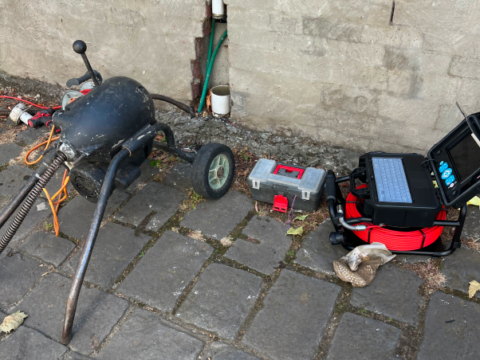
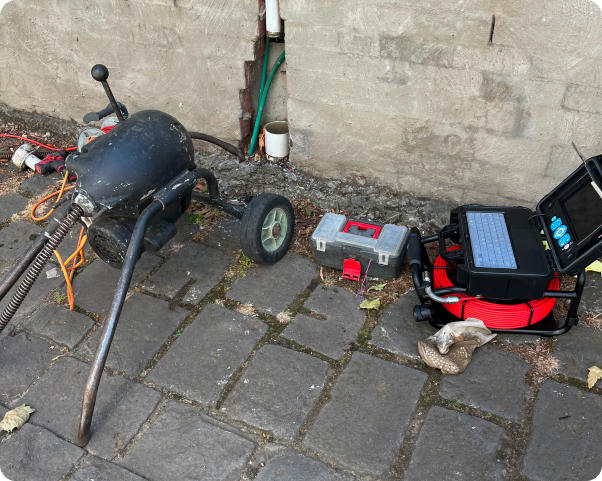
It’s difficult to know what’s going on in your sewage system. With so many pipes buried below and confined in your home’s foundation, how can you possibly determine the state of your sewage system or whether there are any underlying issues? Sewer camera inspections, from a local plumber in Melbourne thankfully, can give you precise and extensive information on your sewer.   Velaqua Plumbing uses camera systems to quickly and correctly detect any faults inside your sewer pipes, eliminating the guesswork and spotting any minor issues before they become costly ones.   What does a Sewer Camera Inspection entail?  A tiny waterproof video camera attached to the end of a flexible wire is used for sewer camera inspections. To do a visual examination, this camera snake is put into the sewage system and pushed through the pipeline. These cameras may be utilised in subterranean pipes as well as pipelines covered in concrete, behind walls, or beneath the foundation of your home. Their work is perfectly entailed from your Melbourne emergency plumber. A sewer camera may be used to check the pipeline as long as there is access to it.  When Should Local Plumber in Melbourne Use a Sewer Camera Inspection?  Sewer camera checks are a quick and easy method to assess the condition of your plumbing systems and uncover problems before they become costly repairs. Having said that, there are two scenarios in which sewer camera examinations can be extremely beneficial:  Problems with Sewer Backup  If your plumbing is acting strangely, the worst thing you can do is put off getting a sewer camera check. When minor concerns are identified early on, they may be resolved before they become major, costly difficulties.  If there is a probable sewage backup, you may observe one or more of the following signs:  Any of these symptoms calls local plumber in Melbourne for a thorough look to establish the source. The sooner the source of the problem is identified, the sooner a solution may be implemented by a plumber in St. Kinda West.   What Is the Function of Sewer Inspection Cameras?  When you look into how these inspections operate, you’ll notice that the flexible rod with the camera is placed into the drain or pipe. The high-definition video camera at the end may then transmit everything onto a screen for the plumber to check. There are also brilliant LED lights attached to the rod, allowing them to see in the darkest places and even film everything in case they need to go back and discover an issue later. These cameras can detect a wide range of issues, including:  Issues with the Pipes  As a home settles, pipes tend to shift at unexpected angles, rendering them subject to fractures, collapse, and even misalignment.  Trees’ roots  Tree roots can get into sewer systems and are routinely cleaned up. However, if the impact is too severe, it may result in costly damage restoration, and having the right diagnosis might be the difference between thousands of dollars.  Corrosion  While current pipes are composed of PVC and are unlikely to corrode, if you have an older metal pipe, it may be susceptible to such damage.  Blockage  A blockage is one of the most frequent sewage problems, and there are a million different things that might clog a pipe. Sewer cameras may determine the exact location of an obstruction, making it easier to remove.  Leaks  These cameras can also detect leaks in pipelines and drains, making repairs much easier and faster to do.  What Are the Advantages of Sewer Camera Inspections?  If sewer repair work is done poorly, it has the potential to cause significant harm. Sewage camera examinations are precise and comprehensive, so your local plumber in Melbourne will know exactly what state your sewer system is in and where the problem is. Sewer camera inspections detect problems before they cause significant harm to a house or company.  What Is Included in a Sewer Camera Report?  The sewer camera report contains a video of the sewer inspection, which you can view on a computer monitor by utilising a special software package that allows you to see within your sewer pipes. You’ll also receive an easy-to-read inspection report that details any issues discovered throughout the sewer inspection process.  Velaqua Plumbing provides sewage inspection services that can examine your sewer system under a microscope to determine what it needs and how it may be improved. If sewage damage has already happened and has caused considerable damage, our professional staff is ready to jump into action and restore the normal operation of your sewer.   For additional information about sewer camera inspections, or in need of an Melbourne emergency plumber please contact us now! 

emergency plumber
Blog

The Benefits of Hiring an Emergency Plumber: Why Time is of the Essence

Plumbing emergencies can occur at any time, often catching homeowners off guard. From burst pipes to overflowing toilets, these issues can lead to significant damage if not addressed promptly. Hiring an emergency plumber is essential for mitigating risks and ensuring your home remains safe and functional. In this blog, we will explore the benefits of hiring an emergency plumber, the unique advantages they offer over traditional plumbing services, and why Velaqua Plumbing is your best choice for urgent plumbing needs. Understanding Emergency Plumbing Services Emergency plumbing services are specifically designed to tackle urgent plumbing issues that require immediate attention. Unlike standard plumbing companies that operate during regular business hours, emergency plumbers / plumbing specialists are available 24/7, ready to respond quickly to crises. Common scenarios that necessitate emergency plumbing include: Burst Pipes: A sudden pipe burst can cause extensive water damage in a matter of minutes, making swift action crucial. Severe Leaks: Even minor leaks can escalate into major problems if left unattended, leading to mold growth and structural damage. Clogged Drains: Blocked drains can result in sewage backups, which pose serious health risks and require immediate intervention. Water Heater Failures: A malfunctioning water heater can disrupt daily routines and needs prompt repair or replacement. Gas Leaks: Any suspicion of a gas leak should be treated as an emergency due to the potential hazards involved. Understanding these situations helps homeowners recognize when to call for emergency services. The Importance of Timely Response When faced with a plumbing emergency, time is critical for several reasons: 1. Preventing Extensive Damage Water damage can escalate rapidly. For example, a small leak may lead to significant issues like mold growth or damage to walls and flooring if not addressed quickly. An emergency plumber can arrive on-site promptly to assess the situation and implement necessary repairs, minimizing further damage. 2. Expertise and Experience Emergency plumbers possess specialized training and experience that enable them to diagnose problems quickly and effectively. Their knowledge allows them to identify underlying issues that may have caused the emergency, ensuring a more comprehensive solution. Attempting DIY fixes during a crisis can lead to costly mistakes, making professional help essential. 3. Health and Safety Considerations Plumbing emergencies often involve health risks. For instance, sewage backups can expose residents to harmful bacteria and pathogens. An emergency plumber not only resolves the immediate issue but also ensures that your home remains safe for you and your family. 4. Long-Term Solutions Hiring an emergency plumber means you’re investing in long-term solutions rather than just quick fixes. Professionals assess the root cause of the problem and provide recommendations for preventing similar issues in the future. This proactive approach saves homeowners time and money down the line. Why Choose Velaqua Plumbing for Emergency Services? When it comes to hiring an emergency plumber, Velaqua Plumbing stands out among local plumbing companies for several compelling reasons: 24/7 Availability: Velaqua Plumbing understands that emergencies don’t adhere to regular business hours. Their team is available around the clock to assist you whenever you need help. Rapid Response Times: With a commitment to quick service, Velaqua Plumbing ensures that help arrives promptly when you face a plumbing crisis. Expert Technicians: Their licensed plumbers are highly trained in handling various emergencies efficiently and effectively, providing peace of mind during stressful situations. Comprehensive Services: Velaqua Plumbing offers a wide range of emergency services, from burst pipe repairs to drain cleaning and water heater replacements. Customer Satisfaction Focus: The team at Velaqua Plumbing prioritizes customer satisfaction by delivering high-quality service at competitive prices. They provide transparent pricing with no hidden fees, ensuring you know what to expect before any work begins. In conclusion, hiring an emergency plumber in Melbourne is essential for protecting your home from unexpected plumbing disasters. Their expertise ensures timely resolutions that prevent further damage while safeguarding your health and safety. When looking for reliable plumbing companies, consider Velaqua Plumbing as your go-to choice for urgent plumbing needs. With their dedicated team ready to assist you at any hour, you can rest assured that help is just a call away when you need it most—because when it comes to plumbing emergencies, every second counts! Contact Velaqua plumbing for emergency plumbing services!

hot water replacement
Blog

Cost-Effective Hot Water Replacement: What to Expect

When your hot water system fails, it can feel like an urgent problem that needs immediate attention. Hot water is essential for daily activities like showering, cleaning, and cooking, and when it’s gone, you’ll likely want a solution fast. If you’re facing a malfunctioning or outdated hot water system, hot water replacement may be the answer. But what should you expect when it comes to costs, timeframes, and the best options for your needs? In this blog, we’ll take a look at everything you need to know about cost-effective hot water replacement, including the factors that influence cost and how you can make the best decision for your home or business. 1. Know When It’s Time: Signs You Need Hot Water Replacement Before diving into the costs, it’s essential to know when your hot water system truly needs replacing. A simple repair might be enough in some cases, but in others, hot water replacement could be more cost-effective in the long run. Here are some warning signs that it might be time to replace your hot water system: No Hot Water: If you’re suddenly without hot water, it could be a sign of a serious issue with your tank or heating element. While this might be fixable, if the system is old or the repair is costly, replacing it might be a smarter option. Inconsistent Hot Water Supply: A system that can’t maintain a consistent temperature or runs out of hot water too quickly could be an indication of inefficiency or wear, particularly if the system is over 10 years old. Strange Noises or Leaks: If your hot water system is making loud popping or rumbling noises, this could be a sign of sediment buildup, which can lead to further damage. Leaks around your hot water tank, even small ones, often point to corrosion or other major issues. Frequent Repairs: If you’ve had to call in a plumber multiple times over the past few years to fix your hot water system, it’s likely becoming unreliable. At this stage, hot water replacement may be more cost-effective than continuing to repair it. Recognizing these signs early on can help you avoid a complete breakdown at the worst possible moment. 2. Understanding the Costs of Hot Water Replacement The cost of hot water replacement can vary depending on several factors, including the type of system you choose, the size of the unit, and the complexity of the installation. Understanding these elements will help you manage your budget and make an informed decision. Here’s a breakdown of the main cost factors: Type of Hot Water System The type of system you choose will have the largest impact on the cost. Common types of hot water systems include: Storage Tank Systems: These traditional systems store a large amount of hot water in a tank. They tend to be the most affordable upfront, with costs for the unit ranging from $800 to $1,500. Including installation, you can expect the total cost to range between $1,200 and $2,500. Continuous Flow (Instantaneous) Systems: These systems heat water on demand, eliminating the need for a storage tank. Although the initial cost is higher (typically between $1,500 and $3,000), these systems can save money on energy bills in the long run due to their energy efficiency. Solar Hot Water Systems: Solar water heaters have higher upfront costs, with total prices ranging from $4,000 to $7,000, including installation. However, these systems benefit from lower running costs and government rebates in many regions, making them a great long-term investment. Heat Pump Systems: A more energy-efficient option compared to traditional electric systems, heat pump water heaters can range from $2,500 to $5,000, with installation adding $500 to $1,000. Over time, they can reduce your energy bills significantly, though the initial investment is higher. Size of the System The size of the system you need will be influenced by the number of people in your household and your hot water usage. For smaller homes or apartments, a 135- to 170-litre tank may suffice, while larger homes may require systems with 250 litres or more. Larger systems cost more both in terms of the unit itself and installation. Installation Complexity If your hot water system is easily accessible and there’s no need to make significant changes to plumbing or electrical systems, installation costs will be lower. However, if the system needs to be relocated, or if there are obstacles such as hard-to-reach areas, the labor costs will rise. The average labor rate for a professional plumber ranges between $100 and $200 per hour. 3. How to Choose the Most Cost-Effective Hot Water Replacement Option When replacing your hot water system, it’s important to balance upfront costs with long-term savings. Here are some tips to help you choose the most cost-effective option for your home: Consider Energy Efficiency: While the upfront costs of energy-efficient systems may be higher, such as those using solar or heat pump technology, the savings on energy bills can make them more affordable over time. Look for systems with high energy ratings, which will help reduce your ongoing energy consumption. Understand Your Hot Water Usage: If you have a large family or high hot water usage, opting for a larger storage tank or a continuous flow system that provides unlimited hot water on demand can save you from the frustration of running out of hot water. However, for smaller households, a compact storage tank or a more energy-efficient option may be all that’s needed. Take Advantage of Government Rebates: Many areas offer government rebates or incentives for installing energy-efficient or solar-powered hot water systems. These incentives can reduce the initial installation costs, making eco-friendly options more affordable. Professional Advice: To avoid overspending, consult with a professional plumber like Velaqua Plumbing. Our experienced team can assess your home’s needs, suggest the best hot water system for your situation, and ensure you’re getting the best value for your money. 4. What to Expect During the Hot Water Replacement Process When you’ve made the

plumbing emergency
Blog

How to Prepare for Plumbing Emergencies: A Homeowner’s Checklist

Plumbing emergencies can strike when you least expect them. Whether it’s a burst pipe in the middle of the night, a backed-up sewer, or a clogged drain that causes water to flood your kitchen, plumbing problems can disrupt your daily routine and cause significant damage if not handled quickly. As a homeowner, it’s important to be prepared for plumbing emergencies so that you can respond effectively and minimize damage. In this blog, we’ve put together a plumbing emergency checklist to help you be ready for the unexpected. With the right knowledge and tools, you can handle many plumbing issues with confidence or at least know when to call a professional plumber for help. 1. Know Where Your Main Water Shutoff Valve Is The very first thing you should do when facing a plumbing emergency, such as a burst pipe or a major leak, is to shut off the water supply. This can prevent further flooding and help minimize water damage. Most homes have a main water shutoff valve located near the foundation of the house, often in a basement, crawl space, or outside near the water meter. Key Steps: Familiarize yourself with the location of your main shutoff valve. Test the valve to ensure it’s functioning properly. Over time, valves can seize or become difficult to turn, so it’s important to make sure it works before an emergency arises. Keep a wrench or tool nearby that can easily turn the valve in case you need it quickly. In case of emergencies, knowing how to turn off your water can save you hundreds or even thousands of dollars in potential water damage repairs. 2. Have Plumbing Tools and Supplies on Hand It’s always a good idea to keep a few basic plumbing tools and supplies in your home. These items won’t necessarily fix every problem, but they can help you address minor issues until professional help arrives or prevent further damage in a pinch. Essential Tools to Have: Plunger: A plunger is a must-have for tackling clogged drains or toilets. It’s inexpensive and easy to use for most minor clogs. Pipe Wrench: This tool helps tighten or loosen pipes and fittings. It can come in handy for shutting off or repairing leaking pipes. Drain Snake: A drain snake or auger can be helpful for breaking up stubborn blockages in sinks, tubs, or toilets. Plumber’s Tape (Teflon Tape): Used for sealing pipe threads to prevent leaks, plumber’s tape is a simple but effective tool for preventing minor leaks. Bucket and Towels: In case of leaks or minor flooding, having a bucket and towels available can help you contain the situation until the water is shut off. While these tools can’t replace the need for a licensed plumber in the event of a major emergency, they can give you the ability to manage smaller issues while waiting for professional assistance. 3. Know Who to Call: Have a Plumber on Speed Dial A reliable, professional plumber should be part of your emergency plan. Knowing exactly who to call can save you precious time during a plumbing emergency. Research local plumbers who offer emergency services and make sure they are licensed, insured, and have a good reputation for fast response times. What to Look for in a Plumbing Company: 24/7 Emergency Services: Plumbing emergencies don’t happen on a 9-to-5 schedule, so choose a plumber who offers around-the-clock emergency services. Transparent Pricing: Ensure the plumber provides upfront pricing, so you’re not surprised by the bill after the job is done. Positive Reviews: Check online reviews and ask for recommendations from friends or neighbors to find a plumber with a proven track record of handling emergencies. Certification and Licensing: Always hire a certified and licensed plumber who adheres to industry standards and codes. Having a trusted plumber on hand means you don’t have to waste time searching for one during a crisis. 4. Inspect Your Pipes Regularly Many plumbing emergencies can be prevented with regular maintenance. Routine inspections can help identify potential issues before they escalate into emergencies. It’s important to check your plumbing system periodically for signs of wear and tear, leaks, or corrosion. Pay attention to areas like the basement, under sinks, and around toilets where leaks often begin. Signs to Look For: Visible Leaks: Check pipes, faucets, and fixtures for visible leaks. Even small drips can indicate bigger issues that need attention. Rust or Corrosion: Pipes that show signs of rust or corrosion are more likely to fail, potentially leading to water damage or flooding. Water Pressure Issues: If you notice a significant drop in water pressure, it could be a sign of a leak or blockage somewhere in the system. Discolored Water: Brown or rusty water can indicate pipe corrosion, which could lead to breaks or leaks. If you notice any of these signs, it’s important to have a plumber inspect your system to prevent a future emergency. 5. Understand Common Plumbing Problems and How to Address Them While you should never attempt to fix a major plumbing issue on your own, understanding some of the most common plumbing problems can help you quickly assess the situation and make informed decisions. Here are some of the issues homeowners often face: Clogged Drains: A clogged drain is one of the most common plumbing issues. While a plunger can often clear minor blockages, a plumbing snake or auger might be needed for more stubborn clogs. Running Toilet: A constantly running toilet can waste water and lead to a spike in your water bill. You may be able to fix this by adjusting the flapper or the fill valve, but more serious issues may require professional assistance. Leaking Pipes: A small leak in a pipe can quickly turn into a major problem. If you notice a leak, turn off your water supply immediately and call a plumber for repairs. Water Heater Problems: If your water heater stops producing hot water or makes strange noises, it could be a sign of a malfunction. Regular maintenance can

toilet replacement service
Blog

How to Pick the Best Toilet Replacement for Your House

When it\’s time for a toilet replacement, choosing the right model for your home can feel overwhelming. Toilets come in various shapes, sizes, and features, so making the best decision requires careful consideration of several factors—everything from your bathroom’s layout to water efficiency. While a new toilet might seem like a straightforward purchase, the right choice can have a significant impact on your comfort, water bills, and long-term satisfaction. In this blog, we’ll walk you through the key things to consider when selecting the best toilet for your home, and how professional toilet replacement service can make the process easier and more cost-effective. 1. Size and Style Matter: Picking the Right Fit for Your Bathroom Before you even begin browsing different toilet models, you need to understand the layout of your bathroom and the size of the space available for your new toilet. Toilets come in a variety of sizes and designs, so choosing the right fit is crucial for both functionality and aesthetics. Toilet Dimensions: The first consideration is the rough-in distance, which is the measurement from the wall behind the toilet to the centre of the drainpipe. This measurement typically ranges from 10 to 14 inches and is standard for most toilets. If you choose a toilet with the wrong rough-in, it won’t fit your plumbing system. Always measure carefully before making your selection to ensure proper installation. Types of Toilets: Two-Piece Toilets: These are the most common, with a separate tank and bowl. They’re easy to install, repair, and maintain, and offer a wide range of styles and prices. One-Piece Toilets: These are more streamlined and modern, with a tank and bowl fused into one solid unit. One-piece toilets tend to be more compact, easier to clean, and have a sleek look, but they can be more expensive than their two-piece counterparts. Wall-Mounted Toilets: Wall-hung toilets are an increasingly popular choice for modern bathrooms, especially in smaller spaces. These toilets create a floating look and can be easier to clean because there’s no base on the floor. Choosing the right size and style will not only affect the visual appeal of your bathroom but also the toilet’s functionality. Make sure to factor in the available space and the style you want to achieve. 2. Efficiency and Performance: Understanding Water Conservation and Flushing Power One of the most important factors in selecting a toilet is its flushing power and water efficiency. Today’s toilets are designed to be much more efficient than older models, reducing both water consumption and the need for multiple flushes. Water-Efficient Toilets: Water efficiency is a key consideration when selecting a new toilet. Modern low-flow toilets use significantly less water than older models, which can help lower your water bills while still providing excellent flushing performance. The Water Sense label, which is granted by the U.S. Environmental Protection Agency (EPA), signifies that a toilet uses 1.28 gallons per flush (gpf) or less. This is an excellent choice for those looking to conserve water and save on utility costs. Flushing Technology: The flushing power of a toilet is crucial to ensure it effectively clears waste with a single flush. Many newer models are designed with advanced technology, such as gravity-flush systems, pressure-assisted flushing, or dual-flush systems: Gravity Flush: This traditional system uses gravity to pull water down and flush waste. It\’s quiet, cost-effective, and simple to maintain. Pressure-Assisted: These toilets use pressurized air to assist in the flush, providing extra power for larger waste loads and preventing clogs. Pressure-assisted toilets are more powerful but tend to be noisier and more expensive. Dual-Flush: Dual-flush toilets allow you to choose between a full flush (for solid waste) or a partial flush (for liquid waste), saving even more water. When selecting a toilet, make sure to choose one that provides strong flushing power while being mindful of water conservation, especially if you live in an area with high water rates or want to make your home more eco-friendly. 3. Comfort and Height: Choosing the Right Seat for Your Family Comfort is an often-overlooked factor when selecting a new toilet, but it plays a huge role in daily usage. If you’re not comfortable with your toilet, it can impact your experience for years to come. Toilet Height: Toilet height is a major consideration, especially for households with people of varying ages or mobility. Traditional toilets are typically around 14 to 15 inches from the floor to the seat, but taller comfort height or chair height toilets (typically 16.5 to 17 inches) are becoming more popular. These taller toilets are easier to sit on and stand up from, making them ideal for elderly individuals or those with physical limitations. The Americans with Disabilities Act (ADA) recommends chair-height toilets for people with limited mobility. Seat Shape and Material: Another comfort-related factor is the shape of the toilet seat. Round seats are generally more compact and are suitable for smaller bathrooms, while elongated seats provide more space and comfort. Additionally, consider the material of the seat: wooden seats tend to offer a more classic feel, while plastic or soft-close seats are more durable and easier to clean. 4. Budget Considerations: Finding a Toilet That Fits Your Wallet While it’s tempting to choose the cheapest option available, keep in mind that the price of a toilet often correlates with its quality, performance, and longevity. Finding the right balance between cost and features is key to getting the best value for your money. Cost of Toilet Replacement: A standard two-piece toilet typically costs between $100 and $500, while one-piece models or toilets with advanced features (such as pressure-assisted flushing) can cost anywhere from $500 to $1,500. While you might be tempted to go for the lowest-cost option, consider how much you’re willing to invest in long-term savings, performance, and durability. A more expensive toilet might cost more upfront but could last longer and save money on water bills over time. Installation Costs: The cost of installation will vary depending on the complexity of the

fix a leaking toilet
Blog

The Hidden Costs of Ignoring a Leaking Toilet: What Every Homeowner Should Know

A leaking toilet might seem like a minor inconvenience at first, but it can quickly turn into a much larger problem if left unattended. Whether it’s a slow drip or a persistent leak, neglecting to fix a leaking toilet can lead to a series of hidden costs that go far beyond the initial inconvenience. As a homeowner, it\’s important to understand the potential consequences of ignoring this issue before it becomes a major problem. In this blog, we’ll explore the hidden costs of a leaking toilet and why timely repairs are essential for your home’s plumbing system and your wallet. 1. “Wasted Water: The Financial Drain of a Leaking Toilet” One of the most immediate and significant costs of a leaking toilet is the waste of water. Even a small, constant leak can result in gallons of water being wasted every day. Over time, this can add up to a surprising amount on your water bill. In fact, a leaking toilet can waste anywhere from 30 to 200 gallons of water per day, depending on the severity of the leak. When you don’t fix a leaking toilet, you’re essentially throwing money down the drain. If left unchecked, the wasted water can cost you hundreds of dollars annually. In some cases, the leak may even go unnoticed for weeks or months, increasing the financial burden significantly. By addressing the problem early, you can save a significant amount on your water bill and avoid unnecessary waste, which is both environmentally and financially damaging. 2. “Structural Damage: How Leaks Can Impact Your Home” While you may be focused on the water bill, the long-term impact of a leaking toilet can be even more concerning. Over time, constant leaks can cause water damage to your flooring, subflooring, and surrounding areas. Whether it’s a bathroom with tile flooring or a bathroom on the second floor, water from a leaking toilet can seep into the wood or other materials beneath, leading to rotting, mold growth, and warping. The longer you delay fixing the leak, the more likely it is that your bathroom structure will be compromised. This can lead to costly repairs that go far beyond the cost of a simple toilet fix. The affected area might need extensive repairs, such as replacing damaged flooring, walls, and even the toilet itself if the leak causes the system to deteriorate. In extreme cases, structural damage from a leaking toilet could extend into other parts of your home, such as the ceiling or walls below, leading to even more expensive repairs. Addressing the leak promptly can help prevent these issues from escalating into larger, more expensive problems. 3. “Increased Risk of Mold and Mildew Growth” Water leaks, particularly in damp areas like bathrooms, create the perfect environment for mold and mildew growth. A leaking toilet provides a constant source of moisture, which can encourage the growth of harmful fungi that can spread rapidly through your home. Mold can grow on floors, walls, and in the ventilation system, leading to unpleasant odors, health problems, and expensive removal processes. Mold exposure can cause respiratory issues, especially for children, elderly individuals, or anyone with existing allergies or asthma. In addition to the health risks, removing mold can be expensive and may require professional help, leading to further costs that could have been avoided with a simple toilet repair. By fixing a leaking toilet quickly, you eliminate the moisture source, reducing the chances of mold and mildew taking hold in your home. 4. “Plumbing System Damage: The Domino Effect of Prolonged Leaks” A leaking toilet is often a symptom of a bigger plumbing issue, such as a worn-out wax ring, faulty valve, or issues with the flush mechanism. If left untreated, these problems can worsen over time, potentially affecting the entire plumbing system in your home. Ignoring a leaking toilet can lead to a domino effect where other plumbing components begin to fail, resulting in higher repair costs. Leaks that go unnoticed for too long can cause damage to your toilet’s internal parts or even the surrounding plumbing pipes. This could require expensive repairs or even a full replacement of your toilet or piping system. By addressing the leak early, you can avoid these more significant, complex plumbing issues and keep your plumbing system running smoothly. 5. “Health Hazards: How a Leaking Toilet Can Affect Your Family” While most homeowners focus on the financial implications of a leaking toilet, it’s important to consider the potential health risks that come with prolonged water exposure. Leaking toilets can introduce harmful bacteria and pathogens into your home, especially if the water is coming from the toilet bowl. As water continues to leak into the bathroom, these contaminants can spread, potentially affecting your family’s health. The risk of infections, particularly in areas where food or drink are prepared, can increase if bacteria are allowed to grow unchecked. Even in bathrooms, the constant moisture can contribute to a less hygienic environment, increasing the risk of mold, mildew, and unpleasant odors that could lead to respiratory issues. By fixing the leak promptly, you eliminate these health risks and help maintain a safer, cleaner environment for your family. 6. “The Importance of Professional Plumbing Services: Why DIY Fixes Aren’t Always Enough” While some homeowners might try to fix a leaking toilet themselves, DIY repairs can often lead to further complications. A leaking toilet may appear to be an easy fix, but if not properly addressed, it could lead to recurring issues. An improper repair could worsen the problem, causing the leak to return or even create new problems. Hiring a professional plumber ensures that the issue is diagnosed correctly, and the right parts are used to make a lasting repair. Professional plumbers also have the expertise to check for underlying problems that might not be immediately obvious, such as issues with the toilet’s flange, wax ring, or plumbing lines. At Velaqua Plumbing, we take the guesswork out of toilet repairs. Our team of experienced plumbers is equipped with

Emergency Plumber vs. Regular Plumber
Blog

Emergency Plumber vs. Regular Plumber: When to Call for Immediate Help

Understanding the urgency: Emergency plumbing vs. regular maintenance. \”Plumbing issues can arise unexpectedly, leaving homeowners in a dilemma about whether to call an emergency plumber or wait for regular service. Knowing when to seek immediate help can save you from costly damages and stress. In this blog, we will explore the differences between emergency plumbing services and regular plumbing maintenance, helping you make informed decisions about when to contact plumbing companies for assistance. Understanding Plumbing Services What is Emergency Plumbing? Emergency plumbing refers to urgent services provided by plumbing companies that address situations posing immediate threats to your home’s safety and comfort. These emergencies often require rapid response to prevent further damage or health hazards. Common scenarios that necessitate calling an emergency plumber include: Burst Pipes: A burst pipe can lead to significant water damage within minutes, making immediate repair essential. Sewer Line Backups: This poses a severe health risk as sewage can enter your home, creating unsanitary conditions. Overflowing Toilets: An overflowing toilet can cause flooding and make bathrooms unusable. Loss of Hot Water: A sudden lack of hot water disrupts daily activities like bathing and cleaning. Major Leaks: Uncontrolled leaks can quickly escalate into severe water damage. Recognizing these situations helps homeowners understand when to prioritize calling an emergency plumber over regular maintenance. What is Regular Plumbing? Regular plumbing services involve scheduled maintenance and repairs that do not require immediate attention. These services are essential for maintaining the overall health of your plumbing system and preventing future emergencies. Regular maintenance tasks provided by plumbing companies include: Routine Inspections: Checking for leaks, corrosion, or wear in pipes and fixtures. Drain Cleaning: Preventing clogs by cleaning out buildup in drains. Water Heater Maintenance: Ensuring optimal performance and efficiency of water heaters. While these tasks are crucial for long-term plumbing health, they can typically wait until normal business hours. When to Call for Emergency Plumbing Services Signs You Need an Emergency Plumber Knowing when to call an emergency plumber can prevent significant damage. Here are key indicators that warrant immediate attention: Significant Water Damage: If you notice flooding or water pooling in areas where it shouldn’t be, such as under sinks or around appliances, this is a clear sign of an emergency. Water damage can ruin floors, walls, and furniture within a short time frame. Loss of Water Supply: A sudden loss of running water can disrupt daily life and hygiene practices. If the issue is not related to municipal supply problems, it requires urgent attention. Uncontrolled Leaks: While minor leaks may not seem urgent, uncontrolled leaks that cannot be contained should prompt an emergency call. Such leaks can lead to extensive water damage and mold growth. Sewer Backups: If you experience foul odors from drains or notice multiple fixtures backing up, this indicates a blockage in your sewer line that needs immediate resolution. Frozen or Burst Pipes: Particularly in winter, frozen pipes can burst, leading to substantial water damage if not addressed quickly. Cost Considerations Emergency plumbing services typically come at a higher cost due to their urgent nature and availability outside regular business hours. However, the expense is often justified when considering the potential costs of extensive water damage or health hazards associated with untreated plumbing issues. When Regular Plumbing Services Are Sufficient Situations That Can Wait Not all plumbing issues require immediate intervention. Here are scenarios where it may be more appropriate to wait for regular service from plumbing companies: Minor Leaks: If you can manage the leak with a bucket and it\’s not causing immediate damage, it may be safe to wait for a scheduled service. Clogged Drains: If you have alternative facilities available and the clog isn’t causing significant backflow, this issue can often wait. Running Toilets: As long as the toilet isn’t overflowing and you can stop the flow of water temporarily, this repair is usually not urgent. By understanding these distinctions, homeowners can better manage their plumbing needs without incurring unnecessary costs. Conclusion: Making the Right Call Deciding between calling an emergency plumber or scheduling regular maintenance hinges on understanding the severity of your plumbing issue. Emergency plumbers are essential during crises like flooding or sewer backups, while regular plumbers handle ongoing maintenance that prevents such emergencies from occurring. At Velaqua Plumbing, we offer both emergency services and routine maintenance through our team of experienced professionals ready to assist you promptly and efficiently. Whether facing an urgent issue or needing preventive care, our commitment is to ensure your plumbing system remains in optimal condition. Remember: When in doubt about your plumbing situation\’s urgency, it’s always better to err on the side of caution—call a professional! Trust Velaqua Plumbing for all your emergency and regular plumbing needs!

Scroll to Top